
Blog
Water Pollution Solutions: Effective Strategies for Cleaner Waterways
The search for effective water pollution solutions has become a global priority as the quality of freshwater resources continues to decline. In this blog, we will explore the primary solutions to water pollution, alongside various technologies and methods to prevent further contamination.
Water pollution is quite possibly of the most squeezing ecological issue confronting our planet today. It not only affects aquatic ecosystems but also poses serious health risks to humans.
What is Water Pollution?
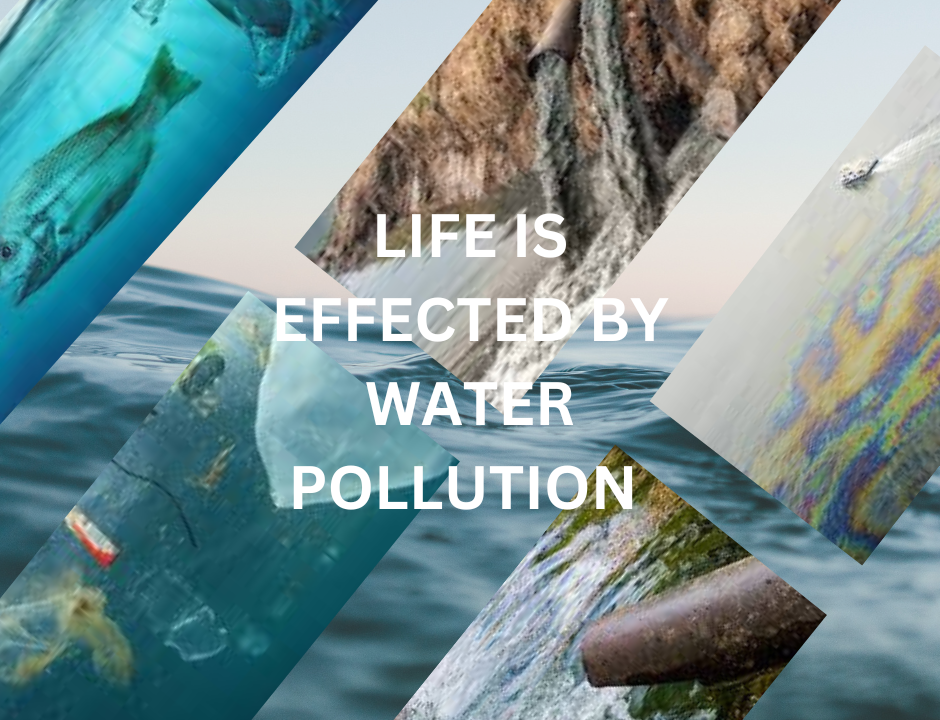
Before delving into solutions, it’s crucial to understand what water pollution is. Water pollution occurs when harmful substances—such as chemicals, plastics, and biological contaminants—enter water bodies like rivers, lakes, and oceans, degrading the water quality. This contamination can result from a variety of sources, including agricultural runoff, industrial waste, sewage discharge, and improper waste disposal.
The Importance of Finding Water Pollution Solutions
Water is essential to life. Clean, accessible freshwater is necessary for drinking, agriculture, sanitation, and sustaining ecosystems. However, with approximately 80% of the world’s wastewater being discharged into water bodies untreated, the need for efficient water pollution solutions is more critical than ever
Reducing Industrial Pollution:
One of the main sources of water pollution is modern waste. Production lines, refineries, and mining operations release harmful chemicals like heavy metals, oil, and solvents into nearby water bodies. To combat this:
Stricter regulations: need to be enforced to ensure industries comply with waste disposal laws.
Wastewater treatment technologies: should be upgraded to better filter out toxic chemicals before they reach waterways.
Companies should adopt sustainable industrial practices: like using non-toxic materials, recycling waste, and reducing water usage in production processes.
Improved Wastewater Treatment:
Sewage and wastewater are significant contributors to water pollution, particularly in developing nations where infrastructure is lacking.Here are some key water pollution solutions related to wastewater treatment:
Upgrade existing wastewater treatment plants: Outdated systems often fail to remove all contaminants, allowing harmful chemicals and pathogens to enter water bodies.
Decentralized treatment systems: Instead of relying solely on large, centralized plants, smaller communities can implement localized treatment facilities that efficiently handle wastewater.
Advanced treatment techniques: Technologies like membrane filtration, ultraviolet radiation, and biofiltration can greatly reduce harmful pollutants in water.
Preventing Agricultural Runoff:
Agricultural runoff, laden with fertilizers, pesticides, and animal waste, is one of the largest nonpoint sources of water pollution. These pollutants can lead to nutrient overloads, causing algal blooms and “dead zones” where aquatic life cannot survive. To prevent water pollution from agricultural activities:
Sustainable farming practices: Encouraging organic farming and reducing the use of chemical fertilizers and pesticides can mitigate runoff.
Buffer strips: Planting vegetation between farms and water bodies can act as a natural filter, absorbing harmful chemicals before they reach rivers and lakes.
Proper manure management: Installing systems that capture and treat animal waste prevents nutrients and bacteria from contaminating water sources.
Plastic Pollution Control:
Plastic waste is a growing concern in both marine and freshwater ecosystems. Microplastics, in particular, have permeated even the most remote bodies of water, impacting aquatic species and entering the human food chain. Solutions to this type of water pollution include:
Bans on single-use plastics: Many countries have already enacted legislation to reduce plastic waste by banning items like plastic bags, straws, and cutlery.
Recycling and waste management improvements: More robust recycling programs can reduce the amount of plastic waste that ends up in oceans and rivers.
Cleanup initiatives: Public cleanups and the deployment of technologies like The Ocean Cleanup can help reduce the amount of plastic already in our water bodies.
Restoring Natural Ecosystems:
Wetlands, mangroves, and riparian zones (areas adjacent to rivers) play a crucial role in filtering water, reducing pollution, and preventing erosion. The restoration and protection of these ecosystems is an effective water pollution solution. Here’s how they help:
Wetlands: act as natural water filters, trapping sediment and absorbing pollutants before they can reach open water.
Mangroves: stabilize coastlines and protect water quality by preventing sediment from washing into the ocean.
Riparian zones: help filter runoff and reduce the velocity of stormwater, preventing soil erosion and sedimentation in rivers.
Community Involvement and Education:
Governments and industries alone cannot solve water pollution; communities also play a significant role. Education and awareness campaigns can help citizens understand how their actions contribute to water pollution and encourage more responsible behavior. Some actions individuals and communities can take include:
Proper disposal of chemicals and medications: Never flush medications or chemicals down the drain as they can contaminate water supplies.
Conservation efforts: Using less water in daily activities reduces the amount of wastewater that needs treatment.
Local cleanups: Organizing and participating in local river and beach cleanups can make a visible impact on water quality.
Green Infrastructure and Technology:
Green infrastructure solutions, such as permeable pavements, rain gardens, and green roofs, help reduce urban runoff and water contamination. By incorporating natural processes into urban planning, cities can manage stormwater more effectively and prevent pollutants from entering waterways. Additionally, technological advancements in clean water technologies offer promising water pollution solutions, including:
Nanotechnology: Filters and purifiers using nanomaterials can remove even the smallest pollutants from water.
Solar-powered desalination: This technology converts seawater into freshwater, providing an alternative to overburdened freshwater resources.
Real-time water quality monitoring: Sensors and IoT technologies can detect pollution events as they occur, enabling faster response times and better management of water resources.
Conclusion
Water pollution is a complex problem, but a variety of effective water pollution solutions are available. Whether through stricter regulations, improved wastewater treatment, sustainable farming practices, or innovative clean water technologies, tackling the issue will require a multi-pronged approach. Every effort to reduce water pollution, no matter how small, contributes to the larger goal of protecting our precious water resources for future generations.
Addressing water pollution is not just about keeping our water clean; it’s about safeguarding human health, protecting biodiversity, and ensuring a sustainable future. By implementing these solutions, we can work toward a world where clean water is available to all.


