
Blog
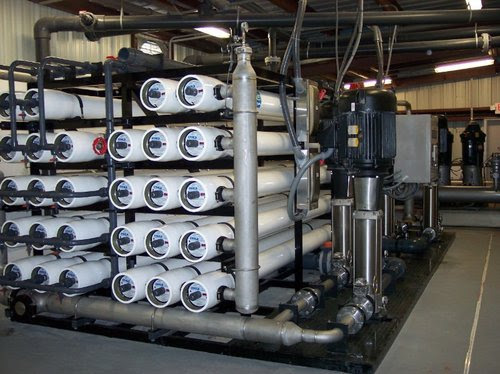
Significance of Water Plants in water management: Important Water Resource on Earth
Water is one of the most essential water resources that sustain life in various forms. Whether it is drinking water for human consumption, irrigation for agricultural needs, or any other industrial necessity, adequate management of water is essential. Among many important cornerstones that ensure a regular supply of clean water is the water plant.
They are very important for treating, purifying, and distributing water from their facilities to communities, industries, and agriculture.
So, let’s really dig into understanding water plants, the meaning of various techniques for water treatment, and just how these water plants contribute to sustainability.
What is a Water Plant?
A water plant, also known as a water treatment plant, is an installation meant to purify and treat the water for drinking purposes, industrial purposes, or agricultural purposes.
Water plants use some physical, chemical, and biological processes to remove impurities and harmful factors from water; the treated water is then forwarded, based on the specific requirements, either into the market for human consumption or some other industrial application or returned to the environment.
Water Plant Types
There exists a wide variety of water plants that have been structured to handle different water treatment processes depending on the source of the water and the desired outcome. The main types include the following:
1. Water Treatment Drinking Plants:
These plants purify water, making it safe for drinking. Most contaminants, ranging from bacteria, viruses to heavy metals and chemicals are removed by these plants. Drinking water treatment plants usually carry out coagulation, filtration, and disinfection processes to ensure high-quality portable water.
2. Wastewater Treatment Plants:
This type of plants deals with the treatment of wastewater from households, industries, or agricultural activities. Wastewater treatment plants are also considered important in environmental conservation since it removes contaminants before letting the treated water out into the natural flow bodies. The treatment process is divided into several stages such as biological treatment, sedimentation, and chemical treatment to ensure that the water will be safe for discharge.
3. Desalination Plants:
Areas where water is scarce convert seawater into freshwater through desalination plants. It is a highly energy-intensive process, but it serves as an essential source of fresh water in arid regions that rely mainly on desalination. The most common two methods used in desalination plants are reverse osmosis and distillation.
4. Industrial Water Treatment Plants:
Many industries require huge amounts of water for their production and operations, either in manufacturing or for energy production and production of processed food.
Industrial Water treatment plants prepare water according to the special industry standards, usually removing contaminants, in order not to spoil the machinery, improve the quality of the product or otherwise lessen the impact on the environment.
How Water Plants Work: The Treatment Process
Advanced technologies complement natural processes to treat water effectively through the techniques of water plants. To understand this process better, it would be appropriate for us to go through some typical steps involved in the water treatment process.
1. Intake:
Workers withdraw water from its source, whether it is a river, lake, reservoir, or ocean. In this stage, they screen the water to remove large debris, such as leaves and twigs, along with other materials that could slow down the treatment process.
2. Coagulation and Flocculation:
Chemicals known as coagulants are dosed into the water to cause small particles and impurities to coagulate into flocs, thereby making it easier to remove suspended solids from the water.
3. Sedimentation:
Once the flocs form, the process allows the water to settle in a tank or basin, where gravity causes larger particles to settle at the bottom. The cleaner water remains on top and undergoes further treatment.
4. Filtration:
Filtering through successive filters, often with layers of sand, gravel, and activated carbon, removes whatever small particles, bacteria, or other microorganisms may remain in the water.
5. Disinfection:
The choice of disinfectants varies depending on whether chlorine or UV light is applied, and this should guarantee that water remains free of other harmful pathogens. These disinfectants ensure that they kill or inactivate anything that may remain and could harbor even a single bacterium, virus, or parasite.
6. Storage and Distribution:
They store the treated water in tanks and reservoirs, making it ready for distribution to homes, businesses, or industries. Modern water distribution systems ensure efficient and constant provision to the end users.
Role of Water Plants in Sustainability
One of the most important functions of water plants lies in their contribution to the management of water resources in an environmentally friendly way, with the focus being on ensuring that communities and industries have adequate supplies to protect the environment as well as actually use the available water resources properly.
1. Relief from Water Shortages
One of the greatest benefits of water plants is that they can give assurance against water shortage even in arid regions or drought-prone regions. Desalination plants, for instance, can treat seawater into fresh water. Wastewater treatment plants can also recycle water for non-potable purposes, such as irrigation and industrial uses.
2. Conservation of Ecological Systems
Water plants actively protect the aquatic ecosystem by treating wastewater and preventing harmful pollutants from being discharged into rivers, lakes, and ocean basins. Clean water maintains biodiversity, thus averting degradation of natural habitats. Treated water decreases the chance of water-borne diseases affecting human beings and wildlife populations.
3. Supporting Industrial Growth
Water plants contribute to economic development, ensuring that industries obtain the water requirements for production while keeping a moderate environmental footprint. Many industries use special water treatment plants to meet applicable regulatory requirements and increase efficiency.
4. Energy Efficiency and Innovation
Increasingly, water plants use technologies in a manner that reduces the consumption of energy while using the environment in a more sustainable way.
Among them is the use of solar panels to power the pumps of water and optimizing chemicals utilized in various processes involved in treatment. Advances in membrane filtration and biological treatment have also ensured that water management solutions stay more efficient and eco-friendly.
Challenges Facing Water Plants
While water plants are significant to the community, they still face many challenges in providing clean and reliable water services. These are some of the outlined below:
Aging Infrastructure:
Older infrastructures lag most of the world’s water plants, which then causes inefficiencies and increased costs for operation. We must perform routine maintenance and modernization to ensure these systems continue to operate efficiently.
Water Quality Issues:
The greatest challenge in terms of water quality for treatment plants is one of rapidly increasing pollution and the introduction of new contaminants, including micro-plastics and pharmaceuticals, that call for a successive more sophisticated advance in treatment technologies than those previously offered to meet shifting standards of water quality.
Climate Change:
Climate change has ravaged water resources and quality considerably, especially in several areas worldwide. The reason is the altered pattern of rainfall, increased evaporation, and resultant increasing levels of the sea, which pose a huge threat to water supplies. Therefore, this increases the importance of the role played by water plants.
Conclusion
Water plants play an indispensable role in providing all types of water-meaning both drinking water and industrial-with purity and safety.
These facilities, by treating and purifying water, make it address the difficulties like water scarcity and act as ecosystem protection towards sustainable development.
Therefore, the challenges associated with climate change and increased pollution require efficient and innovative water plants. This investment in the modernization and expansion of water plants is a means to ensure generations have a sustainable future in managing the world’s water.


